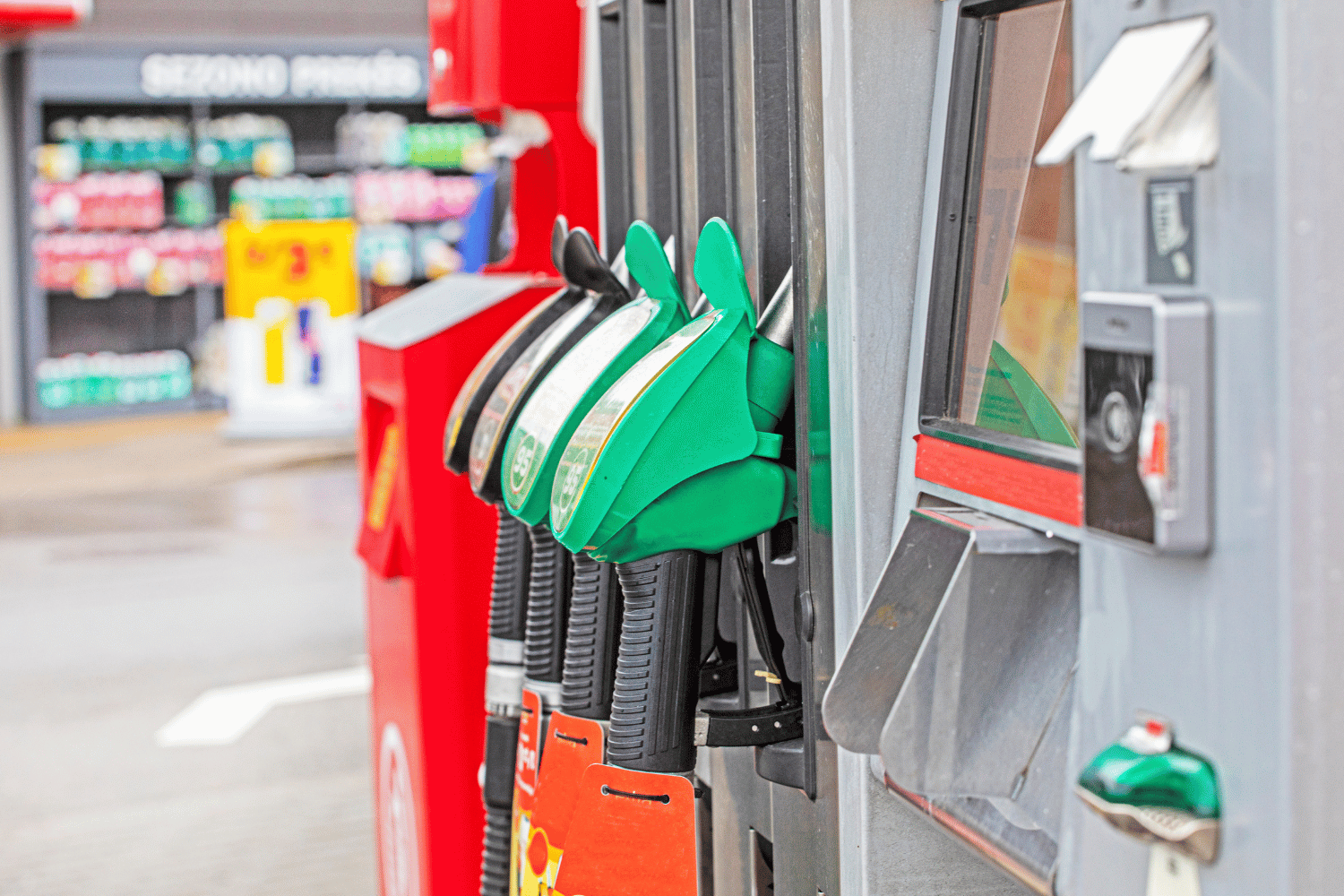
Are you shipping the same goods to the same destination, but seeing a higher freight price? An increased fuel surcharge may explain the difference. The total transport price can rise even when the base rate remains unchanged.
What is a fuel surcharge?
A fuel surcharge is a variable part of the freight price that carriers use to account for changing fuel costs. In Sweden, it is also known as a bränsletillägg or DMT.
The surcharge is usually based on a price index and adjusted regularly. Both the rate and how often it changes vary between carriers, services and agreements. PostNord, for example, sets its surcharge monthly, while FedEx adjusts it weekly for several services. Currently, most carriers are adjusting their surcharges weekly because of how quickly fuel prices are changing around the world.
How much difference can it make?
An example from Swedish carrier GLC shows how the surcharge changed during 2026. In this example, the fuel surcharge increased from 12.28% in February to 21.64% in October – a rise of 9.36 percentage points. Source: GLC's published fuel surcharges.
With an unchanged base rate of SEK 1,000, the difference is:
- February: SEK 1,000 + SEK 122.80 in fuel surcharge = SEK 1,122.80.
- October: SEK 1,000 + SEK 216.40 in fuel surcharge = SEK 1,216.40.
The total freight price therefore increases by approximately 8.3% solely because of the higher surcharge. For regular shipments, this can make a noticeable difference to your monthly freight costs.
This example applies to one specific carrier and excludes VAT and other charges. It shows the change over the period, but does not establish how much of the increase is attributable to unrest in the Middle East. The figures were checked on 6 October 2026.
Are international shipments affected too?
Yes. Fuel surcharges apply to both domestic road transport in Sweden and international road transport. Air and express freight may have surcharges linked to aviation fuel, while sea freight may have bunker surcharges, such as BAF. For a carrier's explanation, see PostNord, for example.
Rail transport is also affected by electricity and diesel costs, but how these are reflected in the price depends on the agreement. There is therefore no single surcharge rate that applies to every mode of transport. You can read about energy use in DB's annual report.
What does this mean for you as a customer?
A higher total price does not automatically mean that we have increased the base transport rate. The fuel surcharge may explain the change, although other charges can also affect the cost.
Fuel surcharges are always included when you use Shiplink
Shiplink's smart portal always includes the applicable fuel surcharges, so you can rely on the prices shown when booking your company's shipments.
When comparing freight prices across different carriers, check whether fuel surcharges are included. If you have questions about a changed freight price, contact us at Shiplink and we will help you understand which parts of the cost have changed.