My name is Marcus, and I work daily with helping companies reduce shipping costs and set up freight flows tailored to their products. One thing keeps coming up again and again: Packaging plays a bigger role than most people think.
Together with Nordahl, I’ve worked closely with these questions for several years. It has given me a clear understanding of how packaging decisions impact costs, damage rates, and the overall efficiency of the entire flow.
The focus is often on shipping prices or carriers, which makes sense. But quite quickly, I keep coming back to the same conclusion: Packaging is often where things go wrong.
Poor packaging drives unnecessary costs and damage — and it’s also where the biggest improvement potential lies.
How packaging affects both cost and damage
What many people underestimate is how much a package is exposed to during transport. It is handled multiple times, sorted, moved, and transported together with other goods.
If the packaging isn’t designed for that reality, it almost doesn’t matter how good the carrier is.
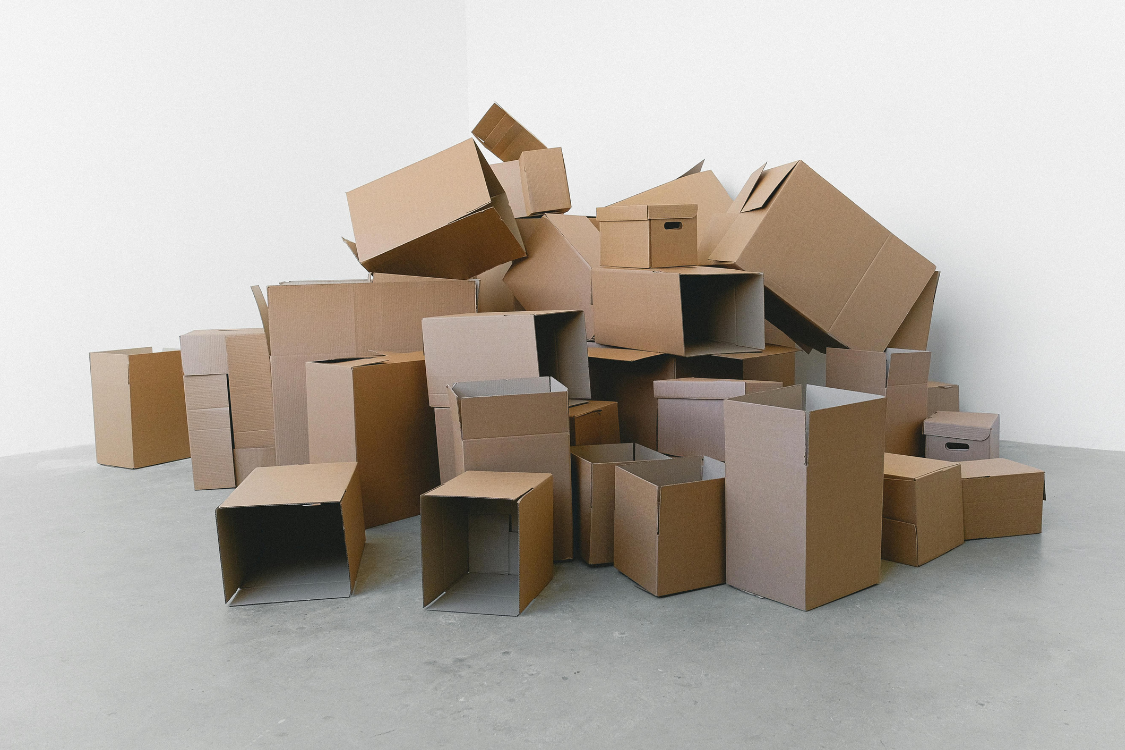
The most common issues I see are oversized boxes, too much empty space, and insufficient cushioning. The result is movement inside the package — and when things move, they break.
You’re often paying for air
One of the biggest cost drivers in shipping is how pricing actually works. It’s not just about weight, but about how much space your shipment takes up. A large, lightweight package can therefore cost more than a smaller, heavier one.
In practice, this comes down to using the right box size, minimizing empty space, and packing more efficiently. Small adjustments here can make a significant difference over time.
At the same time, it’s not optimal to go in the opposite direction and stock too many different packaging sizes. I see this often — companies try to solve the problem by having “every size,” which quickly becomes expensive in terms of storage, handling, and purchasing.
Instead, it’s about finding a balance. Enough variation to avoid unnecessary air, but not so much that it creates inefficiencies.
This is also where external expertise adds value. Together with Nordahl, we frequently review packaging structures and help companies find a setup that actually works in day-to-day operations.
Package based on the product — not habit
Packaging must be adapted to the nature of the product.
It’s just as easy to over-pack as it is to under-pack. Too much material increases cost and volume unnecessarily, while too little protection increases the risk of damage.
Different types of goods require different solutions. Fragile items need cushioning, heavy goods require stability, and irregular shapes need to be secured to prevent movement.
There is no one-size-fits-all solution.
This is where a knowledgeable partner makes a real difference. Being able to discuss your products and get concrete recommendations helps you get it right from the start — saving both time and money.
Why damage often happens during handling
It’s easy to blame the carrier when something breaks. But in many cases, the damage happens before or between transport stages.
If a shipment isn’t properly packed from the start, the risk increases immediately.
Goods are sorted by machines, moved multiple times, and transported together with other shipments. In that environment, you cannot rely on labels being noticed or followed.
What actually makes a difference is stable packing and the right packaging for the product. When the contents are secured and the packaging can handle the load, the risk of damage drops significantly.
Visibility in the flow — when shipments go missing
Another common issue is shipments getting lost in the flow.
At sorting terminals, thousands of parcels are handled at the same time. A plain brown box easily blends in, while a box with distinct tape or custom branding stands out.
This matters more than you might think. If the shipment is quickly identified, you avoid resending it. If not, you end up with duplicate costs for both shipping and products.
Printed tape or custom-branded packaging makes it easier to identify shipments and resolve issues faster. It’s a simple improvement that both reduces costs and enhances how your brand is perceived when the package reaches the recipient.
If you want to see examples of how to work with custom packaging, you can read more about custom packaging solutions here.
Common mistakes that cost more than you think
Here are the most common mistakes I see in practice:
- Packaging that is too large
- Insufficient protection inside the package
- Goods that can move during transport
- Incorrect materials for the product
- Packaging not suited for handling conditions
It sounds basic, but this is exactly where companies lose money every day.
The right packaging partner makes a difference
Many companies choose packaging based on unit price. But that’s rarely where the real cost lies. If the packaging doesn’t fit your flow, you’ll pay for it somewhere else.
What makes the difference is having a partner who understands your products and how they are handled.
That’s why we work with Nordahl — not just for their products, but for the expertise behind the right solution.

“When we work together with Shiplink, we often see that customers can reduce both shipping costs and damage quite quickly. It’s rarely about major changes, but rather about adjusting the right things in the packaging.”
Fredric Nordahl-Lundblad, Head of Sales and Packaging Expert at Nordahl
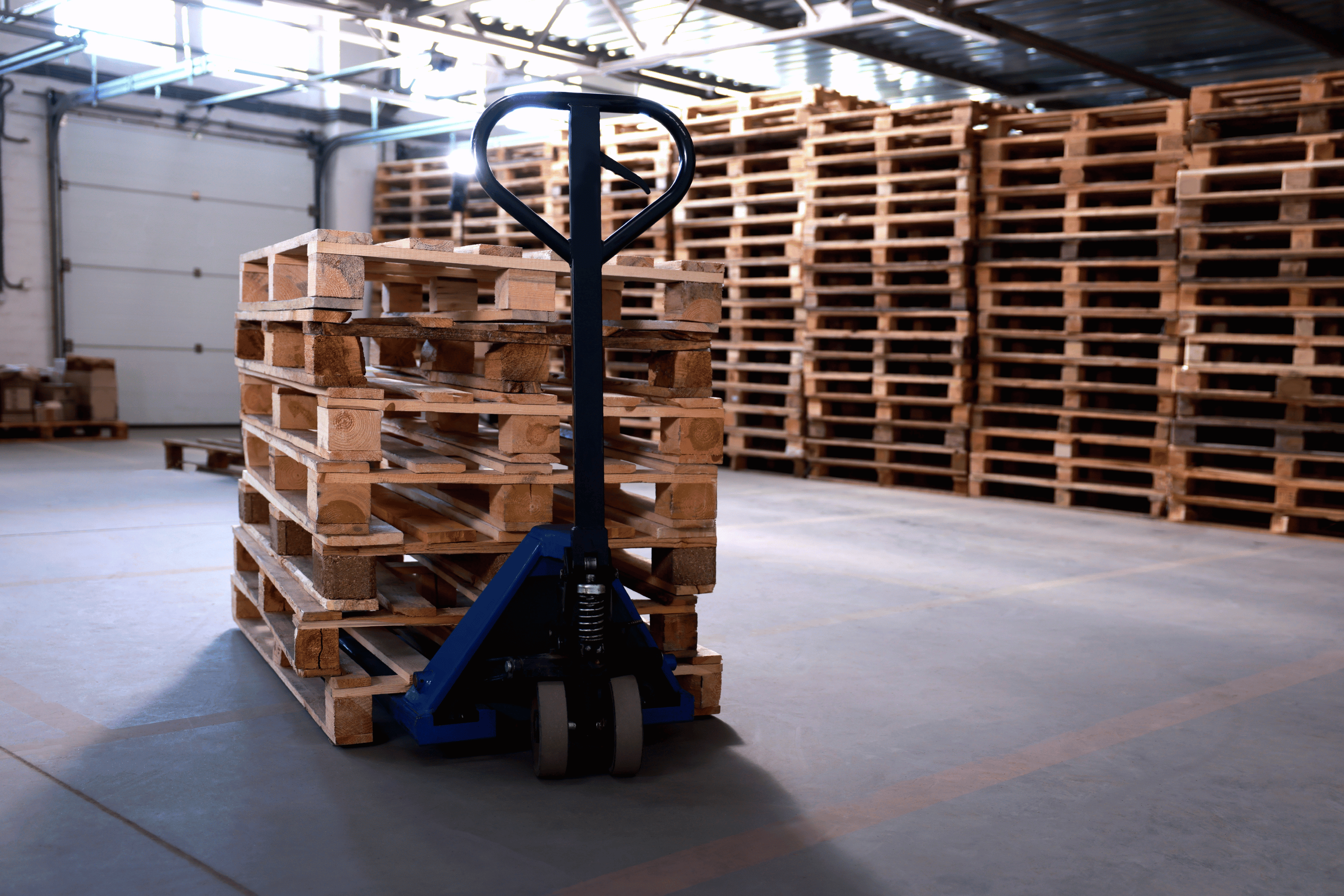
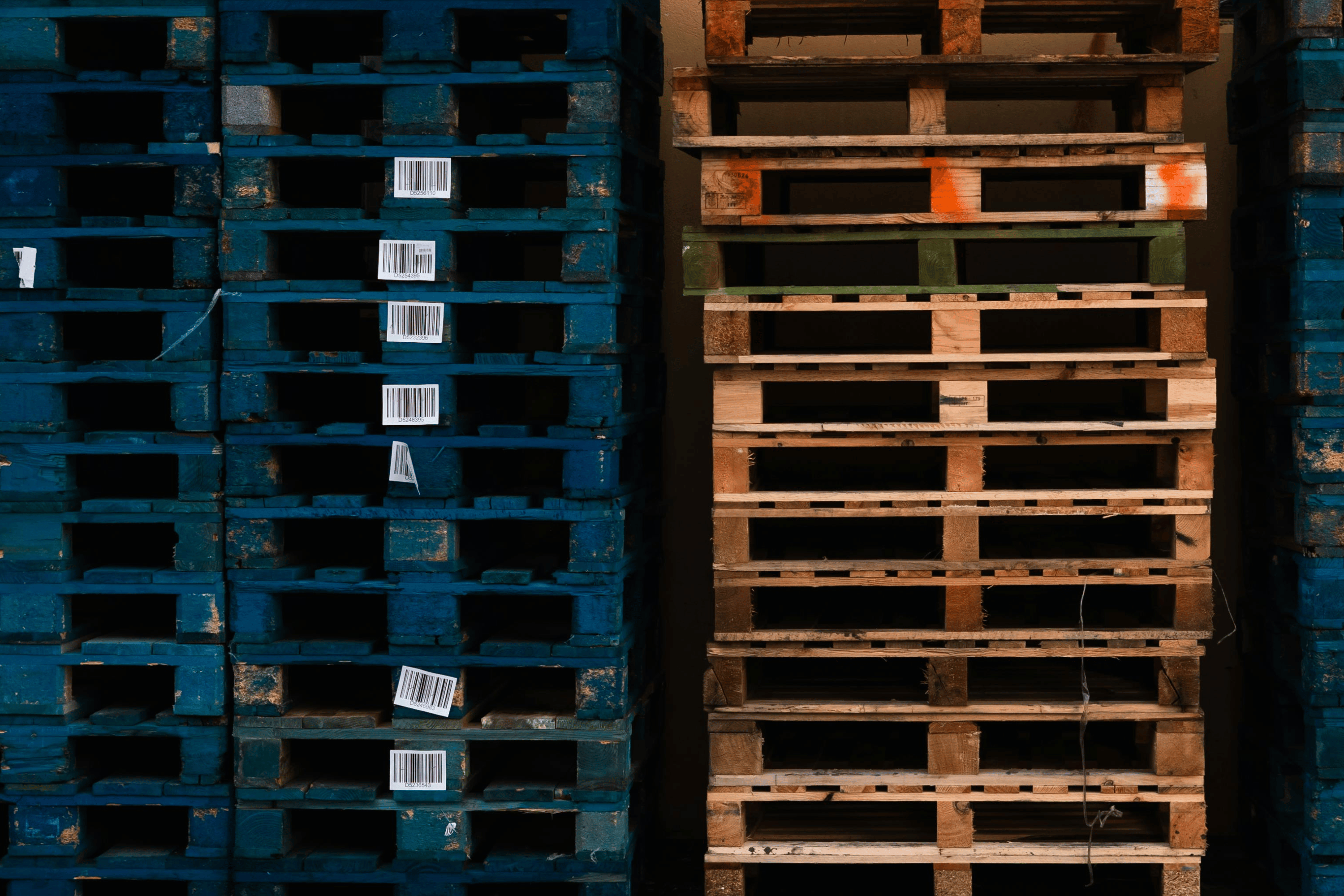
Pallets — where mistakes become expensive
With pallets, the consequences are even more obvious.
Uneven weight distribution, protruding goods, or unsecured loads make pallets unstable and difficult to handle. This doesn’t just affect your goods, but the entire transport flow.
The principle is simple: stable, balanced, and secured. But this is also where many mistakes happen — and where costs escalate quickly.
Quick checklist: reduce costs and damage
- Adapt packaging to the product
- Minimize empty space
- Ensure nothing can move
- Use the right materials
- Review your packaging standards
Small adjustments here make a big difference over time.
Conclusion
If you want to reduce shipping costs and minimize damage, start with your packaging.
That’s where you have the most control — and where I consistently see the greatest impact. Together with Nordahl, we see daily how the right packaging choices reduce both damage and unnecessary costs.
As part of our partnership, our customers also receive discounts across Nordahl’s full product range, making it easier to optimize from the start.